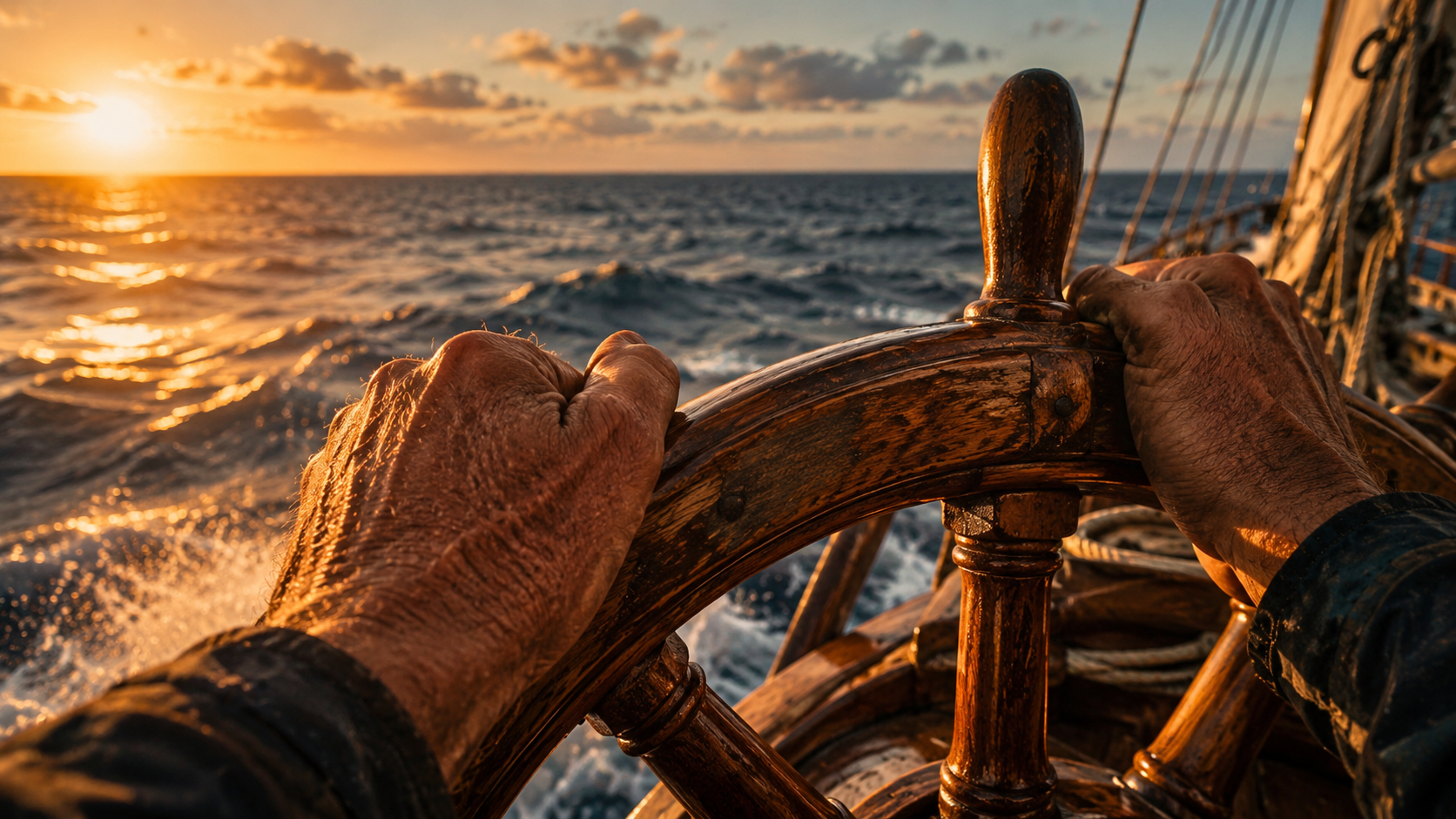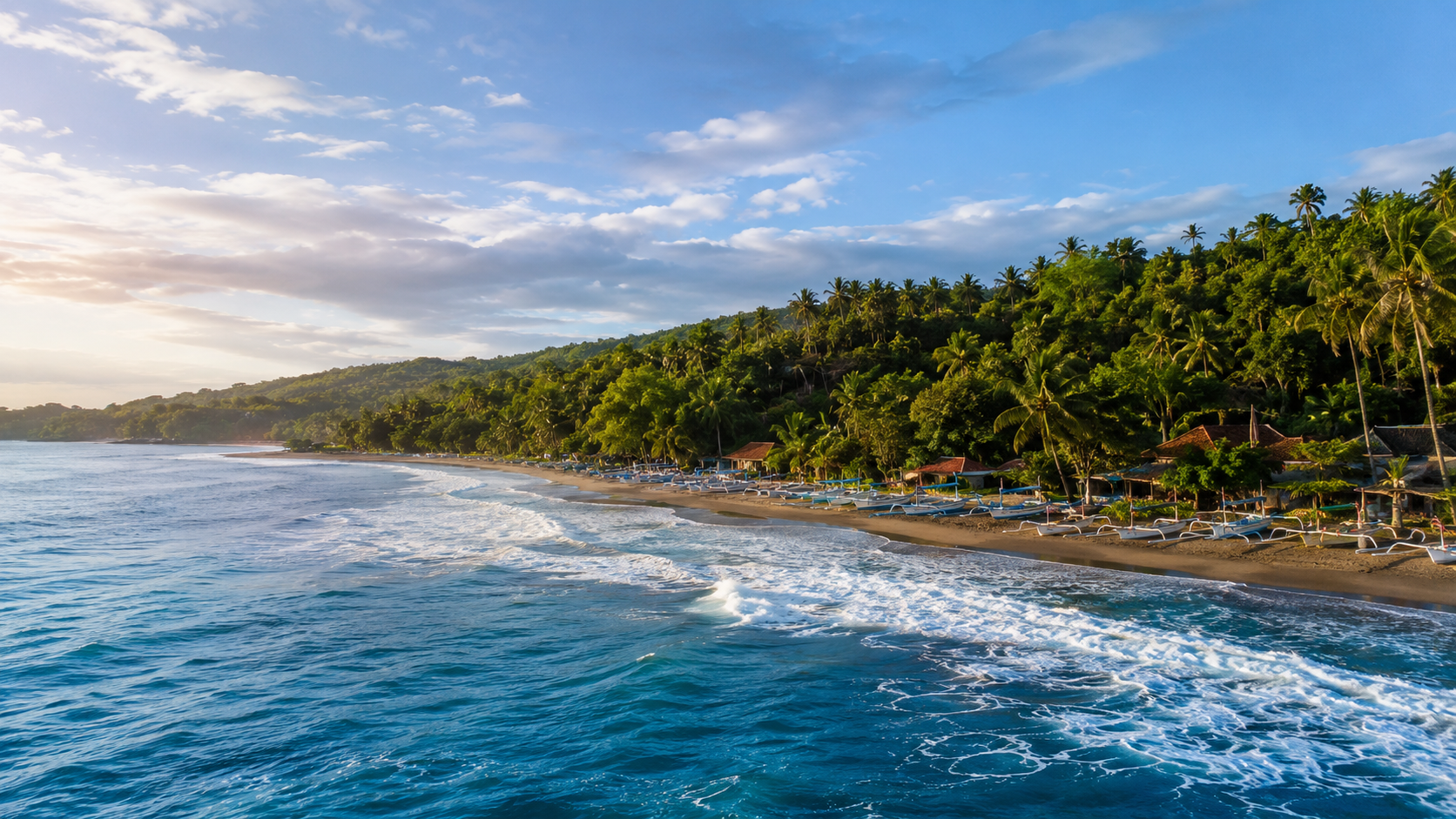
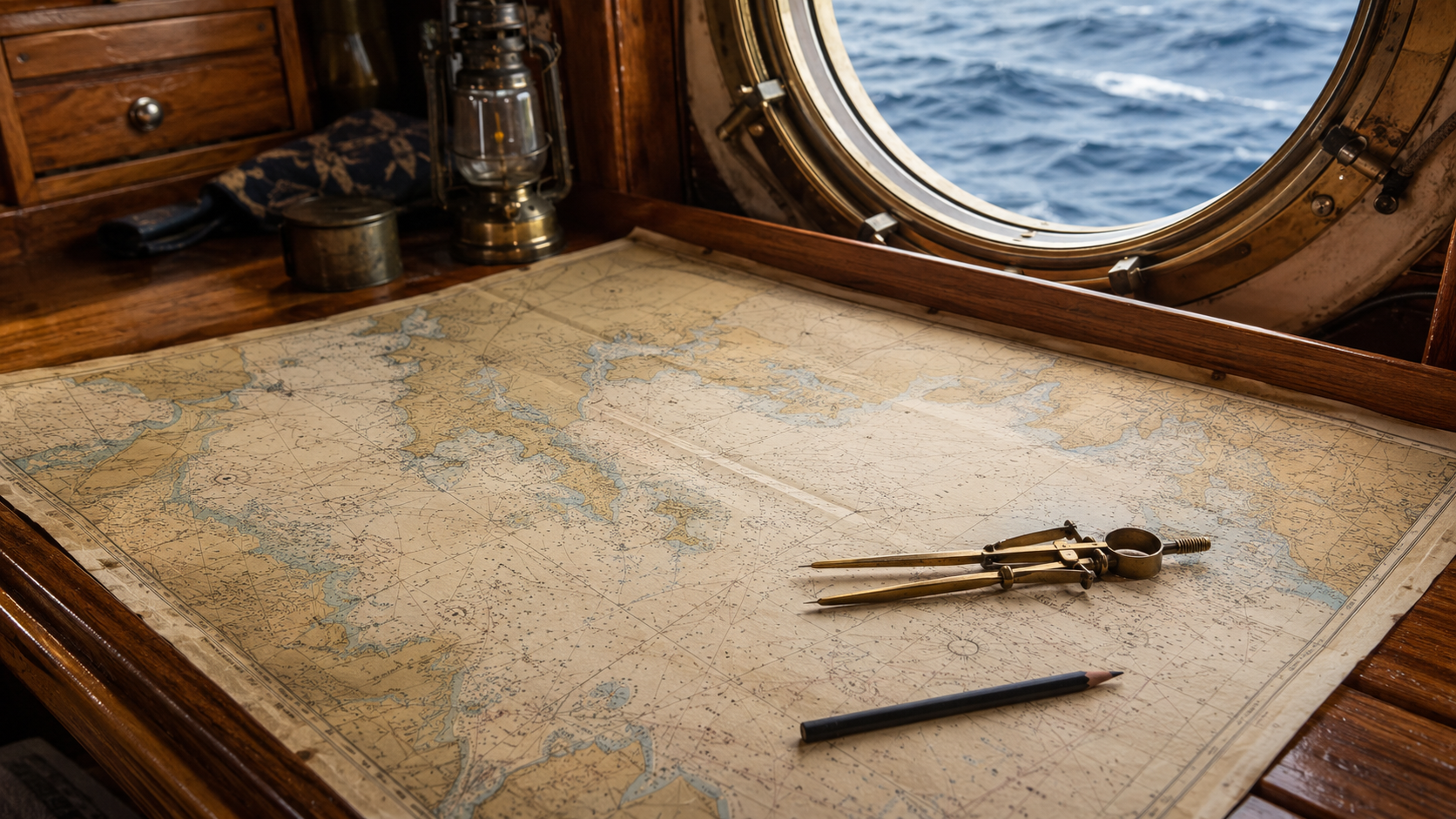
Indonesia is one of those places that every blue-water sailor talks about with a mixture of reverence and caution. Seventeen thousand islands spread across five thousand kilometres of equatorial ocean, with some of the most spectacular cruising grounds on earth and some of the most challenging conditions you will encounter anywhere. It is not a destination for beginners, but for experienced sailors, it is unforgettable.
I first sailed Indonesian waters a decade ago, entering from the west through the Malacca Strait and spending three months working east toward Raja Ampat. Every passage taught me something, and several taught me things I would rather have learned from a book. Here is what I wish someone had told me before I arrived.
The Currents Will Humble You
Indonesia sits between two oceans, and the water that flows between them creates some of the strongest currents in the world. The Indonesian Throughflow moves vast quantities of water from the Pacific to the Indian Ocean through a series of narrow straits, and if you time your passage wrong, you will find yourself making two knots over the ground while your instruments show seven through the water.
The Lombok Strait is notorious. The current can run at five knots or more, and it reverses with the tide, creating confused seas that have caught out many experienced sailors. The trick is patience and timing. Wait for slack water, motor through the narrowest sections, and never assume the current will behave the same way it did last time. Each passage is its own negotiation with the sea.
Paperwork and Permissions
Indonesia has improved significantly for cruising sailors in recent years, but the bureaucracy can still be bewildering. You need a CAIT (Clearance Approval for Indonesian Territory) before you arrive, and you must check in and out at designated ports. The rules change frequently, and what applied last season may not apply this one. The Indonesian cruising community maintains active forums that are invaluable for current information.
Port officials are generally welcoming, but the process can be time-consuming. Budget a full day for clearance at each new port, bring photocopies of everything, and carry small denominations of rupiah for the various unofficial fees that may or may not be requested. Patience and good humour go a long way. A smile and a willingness to sit and drink tea while paperwork is processed will make the entire experience smoother.
The Cruising Grounds
The variety is staggering. Komodo National Park offers dramatic volcanic landscapes, extraordinary diving, and anchorages surrounded by islands that look like they belong in a fantasy novel. The Banda Islands, once the centre of the global spice trade, remain one of the most atmospheric places in Southeast Asia. Raja Ampat, in the far east, has marine biodiversity that surpasses anywhere else on the planet.
Between these marquee destinations lie thousands of islands that rarely see a visiting yacht. Small fishing communities where your arrival is an event, volcanic atolls with pristine reefs, and coastlines that have never appeared in any cruising guide. This is the real magic of Indonesian waters. The famous spots are extraordinary, but the unnamed anchorages between them are where the memories are made.
Respect the Sea, Respect the Culture
Indonesian waters demand respect, and so does Indonesian culture. Dress modestly when going ashore in conservative areas. Ask before photographing people. Bring gifts for village chiefs if you are anchoring near a community. These are not just good manners. They are the price of admission to one of the most remarkable cruising grounds on earth, and they are a price worth paying many times over.